

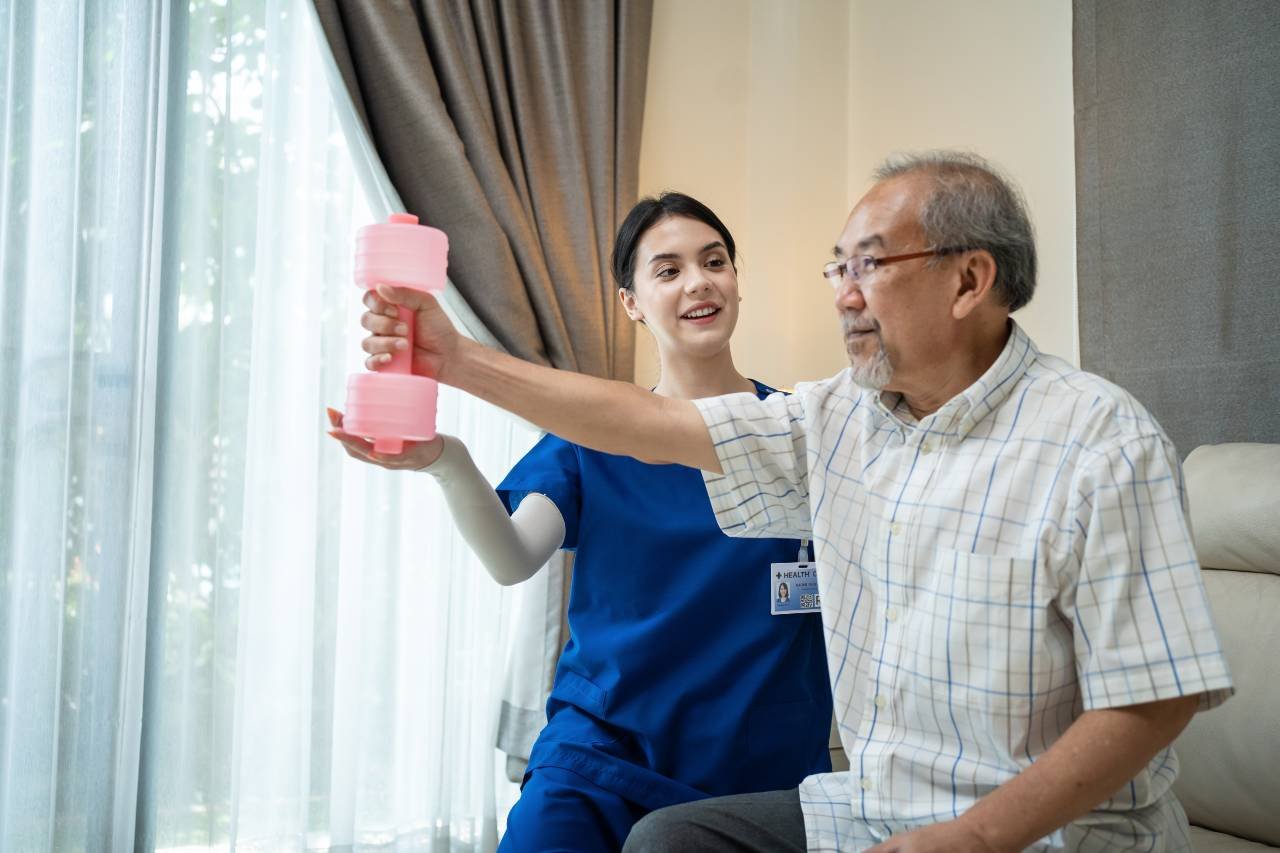
Caregiving is not just a job; it is a profession with real growth potential. With the right steps, caregivers can move from basic entry-level roles to advanced, higher-paying positions in hospitals, nursing facilities, or even supervisory roles. Here’s how to grow your career from beginner to expert.
1. Start with Entry-Level Roles
Many caregivers begin as:
-
Home care aides
-
Personal assistants
-
Companions
-
Domestic support caregivers
These roles help you build experience, confidence, and essential caregiving skills.
2. Build a Strong Foundation
To advance, you must be reliable, patient, attentive, and professional. Employers notice caregivers who:
-
Arrive on time
-
Show compassion
-
Communicate well
-
Follow instructions
-
Keep clients safe
Good performance is your stepping stone to bigger opportunities.
3. Obtain Advanced Certifications
Training is key to career growth. Some certifications that open better roles include:
-
First Aid & CPR
-
Home Health Aide training
-
Nursing Assistant (CNA)
-
Dementia and Alzheimer’s Care
-
Medication Administration
The more skills you have, the more employers value you.
4. Move Into Intermediate Roles
With additional training and experience, you can take roles such as:
-
Senior caregiver
-
Specialised care assistant (dementia, disability, child care)
-
Rehabilitation assistant
-
Team leader or shift supervisor
These roles come with higher pay and more responsibility.
5. Pursue Advanced Healthcare Paths
If you want to go further, caregiving can be the foundation for careers such as:
-
Licensed Practical Nurse (LPN)
-
Registered Nurse (RN)
-
Healthcare coordinator
-
Care manager
Many nurses began as caregivers because the experience provides a strong understanding of patient needs.
6. Join Professional Networks
Attend workshops, join caregiver associations, or connect with others online. Networking helps you discover new job opportunities and learn from experienced professionals.
7. Develop Leadership and Communication Skills
To reach expert or supervisory levels, you must be able to:
-
Train new caregivers
-
Communicate with families and medical professionals
-
Manage schedules
-
Solve problems quickly
Leadership and communication set you apart in the caregiving field.
Conclusion
A career in caregiving offers many growth opportunities. With continuous learning, dedication, and the right direction, you can move from entry-level roles to advanced positions that are both fulfilling and well-paid. Your caregiving journey can become a lifelong profession — and even a pathway to nursing or healthcare leadership.
Leave a Reply